

Dangerous or even poisonous houseplants for cats is an interesting topic that often raises many questions.
Not so long ago, we wrote about what foods are dangerous to our pets. Today we’re going to talk about the potential dangers of houseplants and flowers.
We will tell you about plants that are dangerous for cats and we will indicate the most complete list of poisonous plants for our pets. We will also add pictures of these dangerous plants.
So let’s go with plants that are toxic to cats with pictures.
Table of Content







Poisonous Household Plants for Cats – the Whole Article in One Video
You can’t deny the beauty of fresh-cut tulips or a pot of geraniums, but such flowers can make cats sick or even fatal.
ASPCA reports that indoor and outdoor plants are among the most common toxins pets consume.
However, this does not mean that you have to give up flowers completely. It is enough to know and understand which flowers are poisonous to cats and to take measures to prevent access to them.
Our list of dangerous plants for cats is based on the ASPCA. This organization is considered one of the most authoritative in terms of consolidating knowledge about all kinds of poisoning of cats, dogs, and other animals.
Question from Murmeo! By the way, what approximate number of plants do you think are considered dangerous to cats?
If you don’t have an answer, we’ll be sure to answer that question in our article. Let’s go.
Why Do Cats Eat Plants?

Cats are often indifferent to our houseplants. Quite often we observe how they taste them, tug and try to chew.
The main reason for such behavior is considered to be their ancient natural instinct. It should be remembered that cats are predators by nature. However, they can eat not only food of animal origin, but also of plant origin.
Namely, the tough fibers of plants can help improve digestion. In addition, plants contain a decent level of vitamins.
Another alternative could be an attempt to cleanse the stomach or quench thirst in such an unusual way.
Perhaps the cat likes the smell or taste of a particular plant – well, tastes differ!
And finally, there’s the possibility that your cat just got bored and is looking for somewhere to put his energy.
If you live with cats, you know how curious they are, especially when they are still kittens. Some cats are attracted to flowers because of their taste or texture.
«Cats may choose certain plants because they like the feel in their mouths», – Says Dr. Kathy Lund, a veterinarian at City Kitty Veterinary Care for Cats in Providence, Rhode Island.
Cats are also known to have an excellent sense of smell: they have 14-20 times more olfactory receptors than humans. Cats probably learn about changes in their environment just by smell and, accordingly, often explore new smells.
However, if you notice that the cat is coming to the green potty quite often it may be a sign of an unbalanced diet or vitamin deficiency.
It may make sense to consult your veterinarian in this case.
One thing is certain, if you have a cat (or more than one – like us) living in your house, you should take care to have only safe plants.
Let’s see if you know which flower is a danger to your cat.
We’ll be sure to tell you the answer to that question later!


How Many Plants Do We Know About?
The ASPCA has information on 986 plants (as of 2023). This does not mean that these are all plants – meaning those for which studies have been conducted or any information is available. Thus, it turns out:
- 423 toxic and dangerous;
- 563 safe.
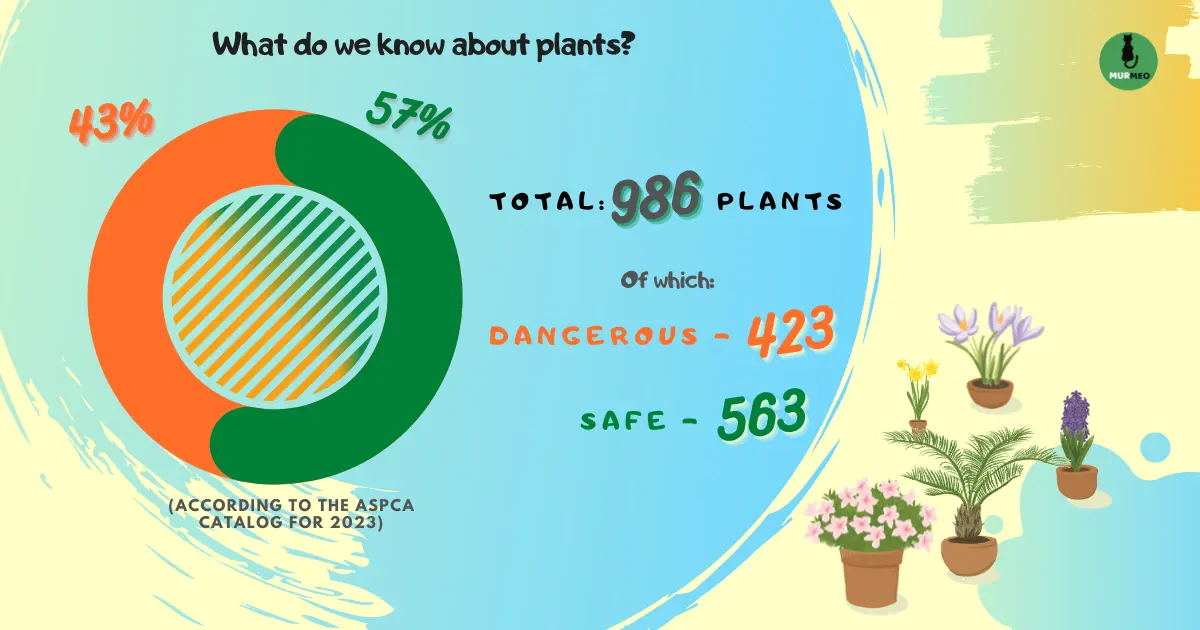
If you found our picture and statistics useful – share them with our other “colleagues” on social networks 📌. Thank you very much from us!
What are Dangerous House Plants for Cats?
Here is a list of what we consider to be the most dangerous plants. In fact, their potential number (both indoor and outdoor) is just over 400 (according to the ASPCA).
Azalea


Toxic substance: andromedotoxin (grayanotoxin).
Clinical signs: diarrhea, weakness, heart failure.
Can have different effects depending on the amount taken. If taken in large quantities, these plants may cause serious symptoms such as irregular heartbeat and seizures.
Alocasia

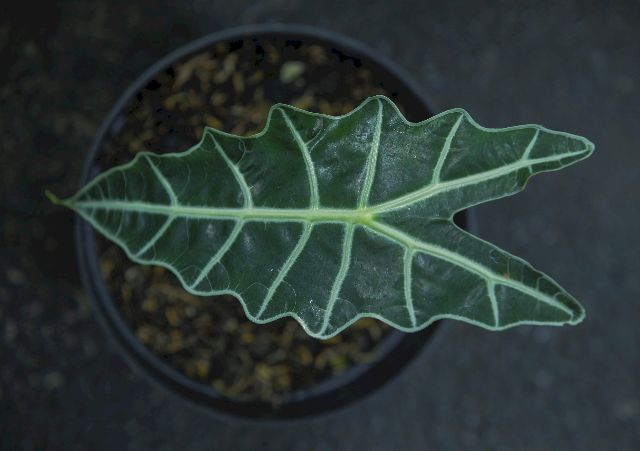
Toxic substance: insoluble calcium oxalates.
Clinical signs: in cats causes poisoning, irritation of the mouth, pain and swelling of the mouth, tongue, and lips, profuse salivation, vomiting, and difficulty in swallowing.
Aloe vera

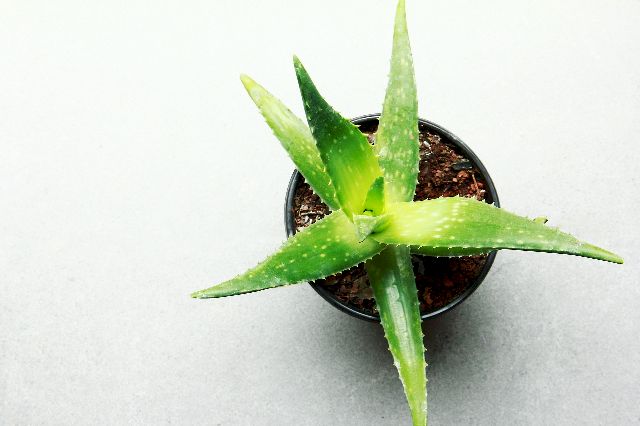
Toxic substances: saponins, anthraquinones.
Clinical signs: lethargy and diarrhea occur during poisoning.
Amaryllis


Toxic substance: lycorine.
Clinical signs: vomiting, depression, diarrhea, abdominal pain, hypersalivation, anorexia, tremors. The flowers of this plant are especially dangerous.
Anthurium
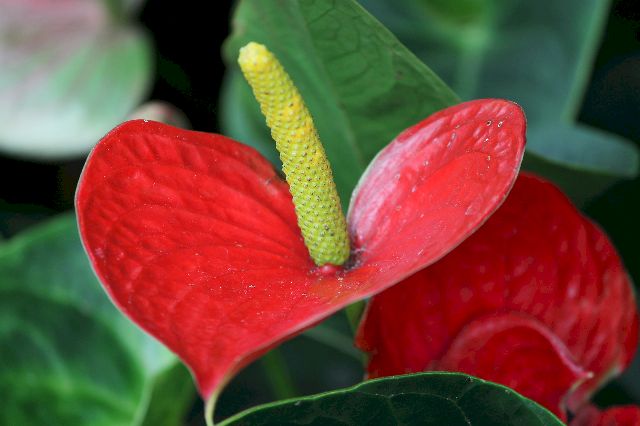

Toxic substance: insoluble calcium oxalates.
Clinical signs: oral irritation, pain and swelling of the mouth, tongue, and lips, copious salivation, vomiting, and difficulty swallowing.
Asparagus Fern


Clinical signs: Allergic dermatitis with repeated skin exposure. Ingestion may cause stomach upset (vomiting, abdominal pain, and diarrhea).
Begonia

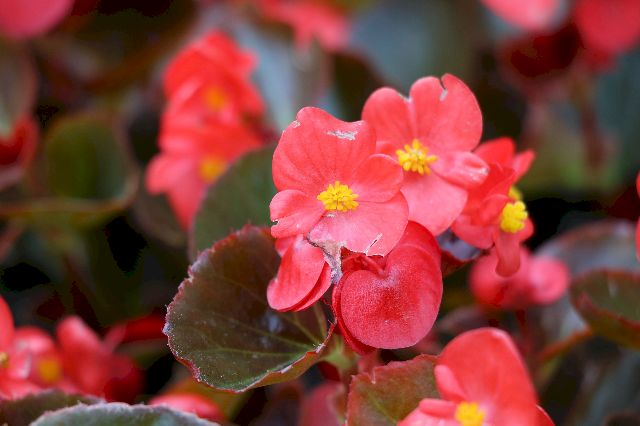
Toxic substance: soluble calcium oxalates.
Clinical signs: causes vomiting, and abundant salivation. The most poisonous part of the plant is under the ground.
Autumn Crocus


Toxic substance: Colchicine and other alkaloids.
Clinical signs: bloody vomiting, diarrhea, shock, multi-organ damage, bone marrow suppression.
Gardenia

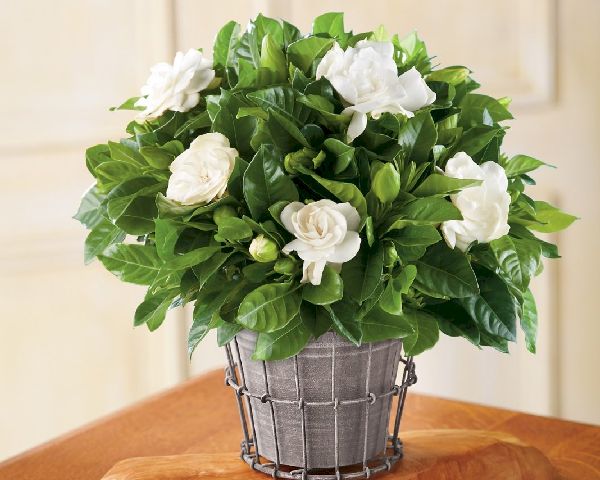
Toxic substance: genioposide, gardenoside.
Clinical signs: May cause mild vomiting and/or diarrhea.
Geranium

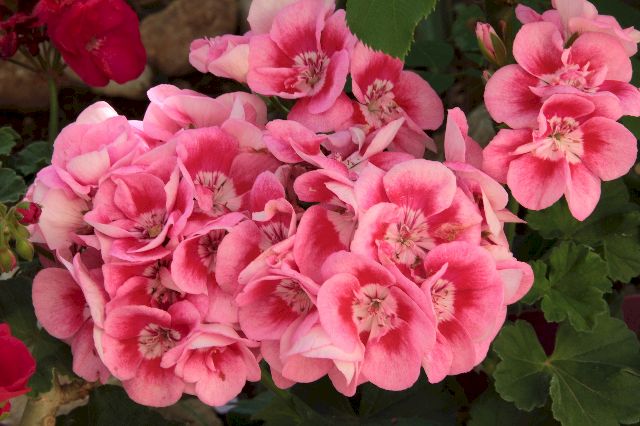
Toxic substance: geraniol, linalool.
Clinical signs: cat poisoning is accompanied by vomiting, anorexia, depression, and dermatitis.
Garden Hyacinth

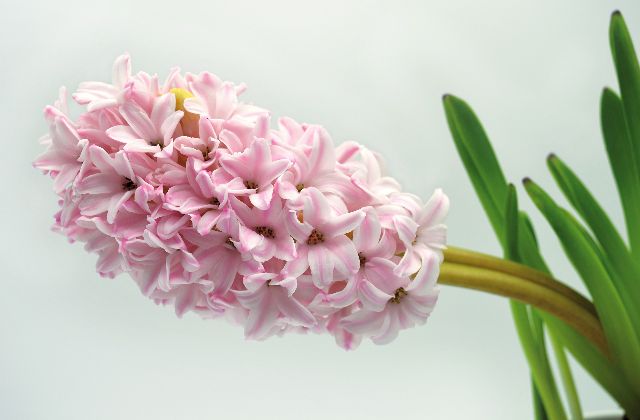
Toxic substance: alkaloids.
Clinical signs: Causes vomiting, diarrhea, dermatitis, and allergic reactions. Bulbs contain the greatest amount of the toxin.
Hydrangea


Toxic substance: cyanogenic glycoside.
Clinical signs: vomiting, depression, diarrhea. Cyanide intoxication is rare – in cats, it usually causes gastrointestinal disorders.
Variable Dieffenbachia

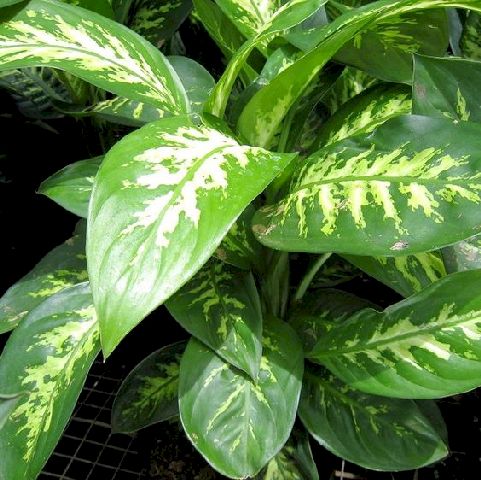
Toxic substance: calcium oxalate crystals.
Clinical signs: poisonous plant causing irritation of the oral cavity, severe burning, and irritation of the mouth, lips, and tongue. There is also abundant salivation, vomiting, and difficulty in swallowing.
Dracaena trifasciata


Toxic substance: saponins (saponins).
Clinical signs: vomiting (sometimes with blood), depression, anorexia, hypersalivation, dilated pupils.
Arum Lily


Toxic substance: insoluble calcium oxalates.
Clinical signs: oral irritation, pain and swelling of the mouth, tongue, and lips, copious salivation, vomiting, and difficulty swallowing.
Kalanchoe

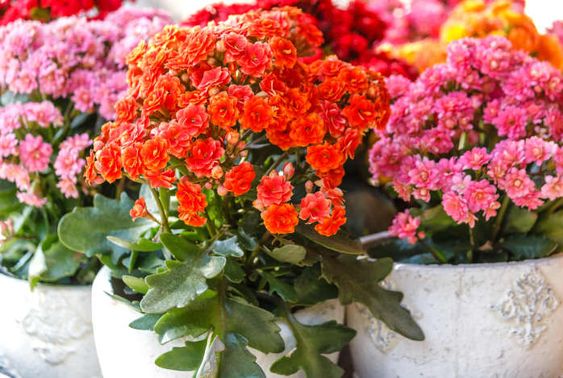
Toxic substance: bufodienolides.
Clinical signs: vomiting, diarrhea, cardiac arrhythmia (rare).
Oleander


Toxic substance: cardiac glycosides.
Clinical signs: considered a rather dangerous and poisonous plant for cats. Can cause salivation, abdominal pain, diarrhea, colic, depression, and death.
Ivy


Toxic substance: triterpenoid saponins.
Clinical signs: vomiting, abdominal pain, hypersalivation, diarrhea. It is noted that the leaves are much more toxic than the berries.
Buxus sempervirens / boxwood


Toxic substance: alkaloids.
Clinical signs: Poisoning is accompanied by vomiting and diarrhea.
Sago Palm
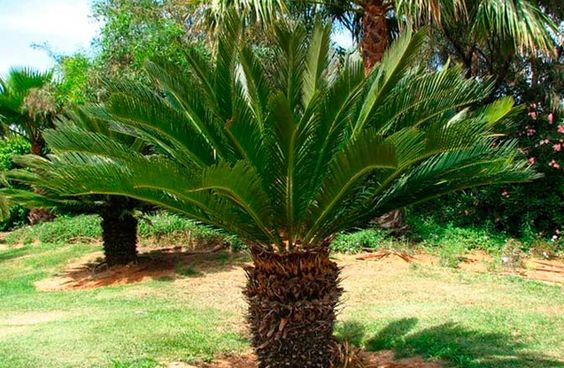

Toxic substance: cycasin.
Clinical signs: causes vomiting, jaundice, increased thirst, hemorrhagic gastroenteritis, and coagulopathy. Liver damage, liver failure, and death may also occur.
Fig

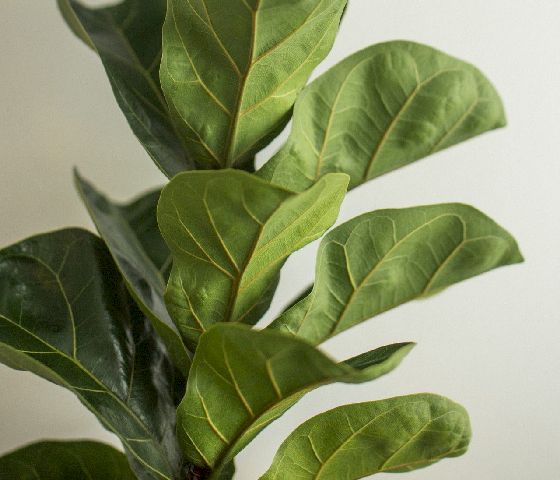
Toxic substance: ficin, ficusin.
Clinical signs: gastrointestinal and skin irritation.
Ceriman


Toxic substance: Insoluble calcium oxalates.
Clinical signs: in cats causes irritation of the oral cavity, pain and swelling of the mouth, tongue, and lips, copious salivation, vomiting, and difficulty swallowing.
Cyclamen

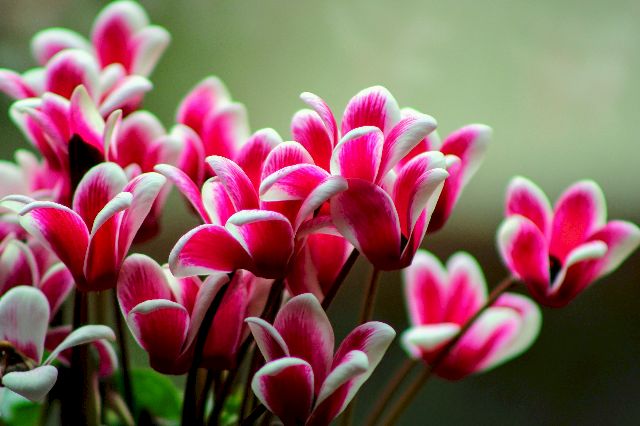
Toxic substance: saponins.
Clinical signs: very poisonous plant for cats. Causes salivation, vomiting, and diarrhea. After ingestion of a large number of tubers: cardiac arrhythmia, seizures, lethal.
Schefflera


Toxic substance: calcium oxalate crystals.
Clinical signs: oral irritation, severe burning, irritation of the mouth, lips, and tongue, copious salivation, vomiting, difficulty swallowing.
Poinsettia


Toxic substance: irritant sap.
Clinical signs: irritates mouth and stomach, sometimes causes vomiting.
Are Cats Allowed to Eat Flowers From Bouquets?
Let’s continue our topic with flowers that appear in our homes in the form of bouquets of fresh flowers – there are some nuances here, too.
Here’s a list of some of the most common questions about the dangers or safety of flowers.
Is lilac dangerous for cats?

Common lilacs (Syringa vulgaris), are some of the most fragrant flowers of spring. They are a bush with purple flowers, which can also have shades of burgundy, white, yellow, and blue.
Lilacs have a bitter aftertaste, which can deter cats from eating them. “Even if cats come in contact with lilacs, they shouldn’t get seriously ill,” says the expert, who often cuts lilacs in the spring and spreads them around her house.
“I think in the worst-case scenario, the cat could get an upset stomach and possibly vomiting or diarrhea,” she says.
As mentioned above, while common lilacs are not poisonous, Persian lilacs, on the other hand, are. Therefore, pet owners should know the difference between these two varieties before bringing lilacs home.
Are orchids poisonous to cats?
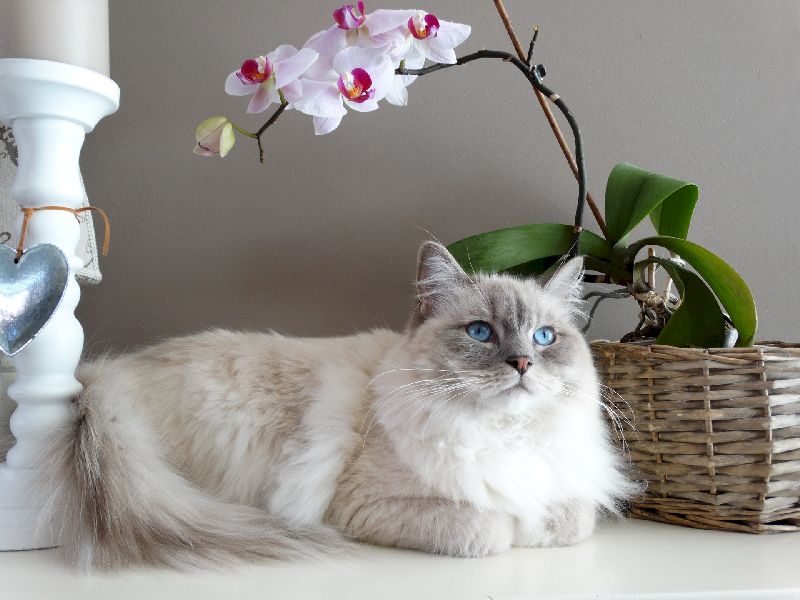
Orchids belong to the very diverse family Orchidaceae, a group of fragrant flowering plants that most often come in various shades of pink.
But they also come in other colors, including yellow, red, and green. Most orchids are considered safe for cats.
In the worst-case scenario, a cat that ingests an orchid may experience mild vomiting and diarrhea.
Are roses dangerous to cats?

The common prickly rose is a perennial shrub that usually produces red, pink, and yellow flowers.
Specialists say the roses have not been linked to cat poisoning. “The worst I expected was mild vomiting and diarrhea,” was voiced by one expert.
However, there is one nuance: a prickly rose stem can cause pain or discomfort to an unsuspecting cat.
Are tulips poisonous to cats?

Tulips are one of the typical flowers of early spring. Actually, they belong to the lily family (Liliaceae). Tulips contain tulipaline A and B, chemical compounds that are poisonous to cats.
The highest concentration of these compounds is in the bulbs, but if swallowed, the plant can cause vomiting, increased salivation, diarrhea, and depression. Thus, tulips should be listed as poisonous plants for cats.
Are lilies toxic to cats?
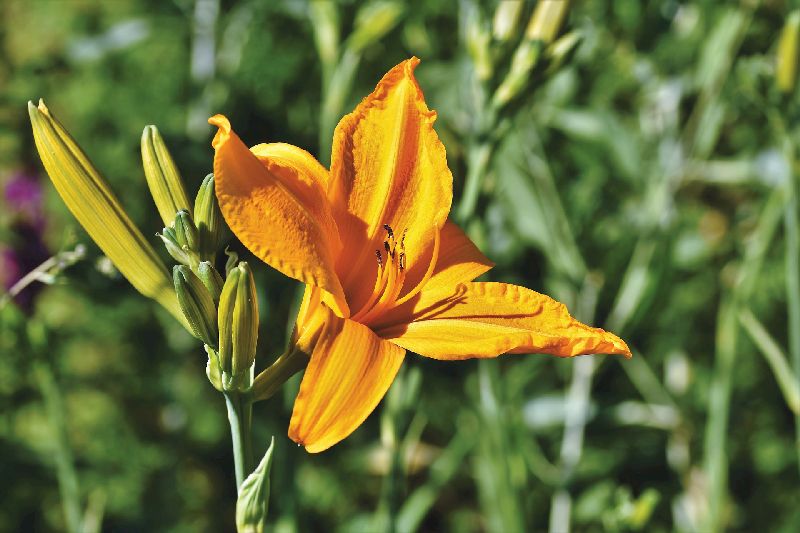
Lilies (of the genus Lilium) are considered one of the major cat poisons 🚫.
True lilies (Lilium) and Hemerocalis are so incredibly toxic to cats that it is best not to bring them into the home with cats. The prognosis for a cat with lily poisoning can be pretty bad.
All parts of the plant, including pollen, should be avoided because they can cause kidney failure in cats.
Early symptoms of lily poisoning include excessive salivation or drooling, vomiting, and lethargy, which can range from mild to noticeable.
Lily poisoning is considered a serious emergency, and decontamination and detoxification with supportive therapy are key to further recovery.
And answer the question at the beginning of the article! Lilies are considered one of the most dangerous flowers for cats.
Are chrysanthemums harmful to cats?

Chrysanthemums are some of the most common fall flowers. They are represented by dark orange, burgundy, purple and yellow flowers.
These flowers contain many toxic compounds that can cause vomiting, increased salivation, diarrhea, movement disorders, and even skin inflammation from contact with some of their varieties.
Ironically, flea sprays with pyrethrin were once made specifically from chrysanthemum flowers. Pyrethrin is a natural insecticide that can cause some skin irritation, increased salivation, nausea, and vomiting in cats, both because of its effect on the nerves and because of its very bitter taste.
Are sunflowers toxic to cats?

These flowers with yellow petals and a brown inner disc are cheerful and produce edible seeds.
Sunflowers are generally considered non-toxic to cats, but veterinarians say they can cause minor stomach upset or vomiting if ingested.
Are daffodils dangerous for cats?

Narcissus is toxic not only to felines but also to some other animals, including horses and dogs.
The dangerous elements of the plant are its alkaloids, including the crystalline lycorine.
Toxic lycorin (narcissin) is found in daffodil bulbs. If your precious kitty eats any part of the plant, especially the bulb, she may experience quite severe poisoning – so be careful.
Of course, we would like to point out that this list of poisonous plants for cats may not be definitive. It would be better if you limited your pets’ access to any bouquets of flowers.
💡 One more detail is important to remember. Under no circumstances should cats be allowed to drink water from the vase where the flowers are standing. There are several reasons for this.
First, the flowers themselves can release poisonous substances into the water.
And secondly, flowers can be treated with special chemical solutions that preserve the appearance of plants. Be careful!
Which Cats Might Be Interested in Flowers?
It should be said that the majority of cats will treat their food choices with a certain amount of caution. Therefore, there is a good chance that you should not be wary of having flowers.
However, we would like to point out some categories of animals that may still be interested in your plants. These might be:
- Kittens who have not yet developed the instinct of self-preservation and prevention of danger. It is at the time of the kitten’s adaptation that the utmost attention must be paid;
- young felines, who will eat and chew everything they can get their hands on, in accordance with their curiosity;
- cats of any and all breeds who just got bored.
What Are the Signs of Plant or Flower Poisoning?
Depending on the type of flower and the amount ingested, symptoms can range from mild to fatal.
In their majority, symptoms of poisoning include:
- irritation of the mouth and mucous;
- excessive drooling;
- vomiting;
- diarrhea;
- sometimes a high temperature.
Some plants can damage the liver or kidneys – including, sometimes irreversibly.
Eating a poisonous plant or flower can result in cardiac arrhythmia in cats or neurological side effects, including seizures and even death. Therefore, eating a dangerous flower is considered exactly the kind of emergency that needs to be addressed urgently.
Keep in mind that signs of flower poisoning in cats may not always be immediately apparent.
Their effects may manifest themselves in organ damage, which will show itself after a few days when treatment may be much less effective and the damage irreversible.
How Do I Protect Cats From Poisoning by Dangerous Flowers or Plants?

Of course, a 100% option to avoid poisoning would be the absence of such plants or flowers.
However, what to do if you do have them or will have them in your home? Follow our simple rules and everyone will be healthy.
Rule #1
Always research the flower you plan to buy, whether it’s an indoor or outdoor plant. It’s best to familiarize yourself with the list of poisonous plants for cats and keep these types of plants out of the house.
Rule #2
If you do already have a poisonous plant in the house, keep it out of the cat’s reach. This usually involves creating a physical barrier. Keep in mind that with some plants, even a single exposure can be life-threatening for cats.
Rule #3
Cats are known to love to dig in potting soil, so it makes sense to take steps to make indoor plants and flowers unattractive to cats.
If you have large indoor plants, sometimes putting rocks or other restraints on top of the soil can limit access to them.
Rule #4
This advice applies to those who live in a private household. Even if you are careful about what you plant on your property, you can’t control what your neighbors grow. If your kitten spends any time outside, keep him away from the “neighbor’s” flowers.
Rule #5
It makes sense to drop or rub a vase of the plant with citrus fruit. It is very likely that the citric acid and essential oils of lemongrass will scare the cat or cat away from the flower.
Rule #6
A backup option to scare the animal away from the flowerpot can be sticking double-sided tape. Remember that cats really don’t like it when something sticks to their paws.
Rule #7
And finally, try to spend more time with your pet so that your cat or cat doesn’t get bored.
What to Do if a Cat Does Eat a Dangerous Plant?
- If there is even the slightest suspicion that a cat has eaten a poisonous plant, you should immediately contact your veterinarian. As the saying goes, “it’s better to be safe than sorry”.
- Be sure to tell your veterinarian what plant or flower your pet may have been poisoned by. This is a great help when prescribing preventative or therapeutic treatments.
- You can try to induce vomiting in the cat – will be especially effective if no more than 1-2 hours have passed.
What Are Safe Flowers and Plants for Cats?
Keep in mind that even flowers that are not poisonous to cats can cause stomach upset. And some can present other problems, such as a rose with its prickly stem.
Safe flowers for cats (list)
The following flowers are generally considered safe for cats:
- lilacs;
- roses;
- sunflowers;
- petunias;
- camellia;
- antirrhinum
- chamomiles.
Safe indoor plants for cats
- Areca palm;
- Cast-iron-plan;
- Golden bamboo;
- Ponytail palm;
- Bromeliad;
- Polka dot plant;
- Christmas сactus;
- Pachira aquatica;
- Velvet plant;
- Prayer plant;
- Boston fern;
- Garden marigold;
- Orchid;
- Burro’s tail;
- Peperomia;
- Common staghorn fern;
- Swedish illy;
- African violet;
- Baby tears;
- Haworthia;
- Bamboo palm;
- Parlor palm;
- Spider plant;
- Lipstick plant;
- Blue echeveria.
Actually, this is not the whole list, we have listed only the most common safe flowers for cats. Recall that the proven list of safe plants contains about 600 names (according to the ASPCA).
To Sum Up
Finally, I would like to say that the health of your pet is entirely up to you. Be careful when choosing houseplants and flowers.
What are your thoughts on this? What houseplants do you have and how do they get along with your pets? It would be interesting to hear your opinion – write in the comments.
If you find the article really useful – share it on social networks, maybe it will be interesting for our other feline “colleagues”.
And for us, it’s an incentive to create even more interesting articles 🐱. And cheer up everyone!
Frequently Asked Questions
The article partially used materials:
1. ASPCA data, USA.


